Henrik Lorenz · 23 October 2026
Volunteers Rally Behind Effort to Revitalize Historic Civic Landmark
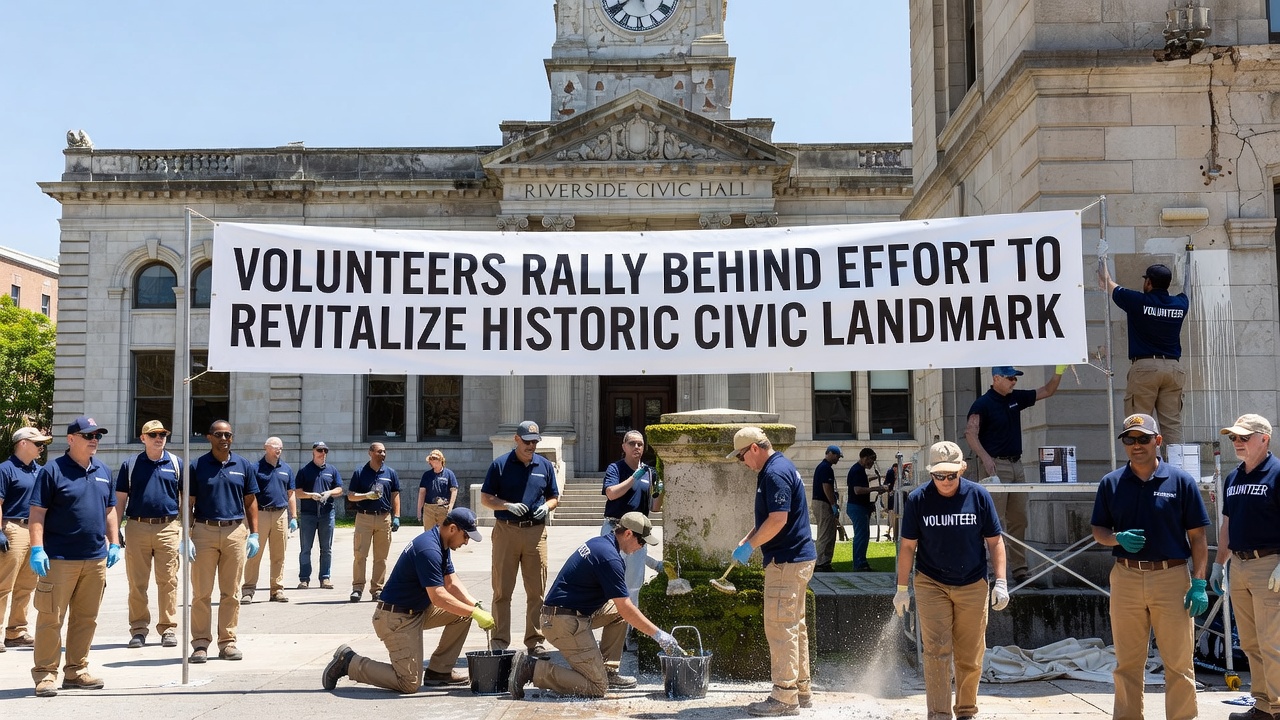
Volunteers have organized across multiple neighborhoods to support restoration work at a prominent civic landmark that dates back to the early twentieth century, and local records show the structure has served as a courthouse, community meeting hall, and administrative center over its lifetime. Organizers scheduled the main phase of activity to begin in October 2026, with daily shifts focused on masonry repair, window restoration, and grounds cleanup that will extend through the end of the year.
Landmark Background and Current Condition
The building occupies a central block in the downtown district and features limestone facades along with original copper detailing that requires specialized attention, while structural assessments completed earlier this year identified water damage in several interior sections and deterioration along the roofline. City engineering reports placed the cost of basic stabilization at several hundred thousand dollars, yet volunteer labor has already reduced projected expenses by handling surface preparation and debris removal without charge.
Key Tasks Assigned to Volunteer Teams
- Documentation of original architectural elements through photography and measured drawings before any permanent changes occur
- Removal of overgrown vegetation that has encroached on foundation walls during recent seasons
- Sorting and cataloging salvaged materials such as period hardware and decorative trim for later reinstallation
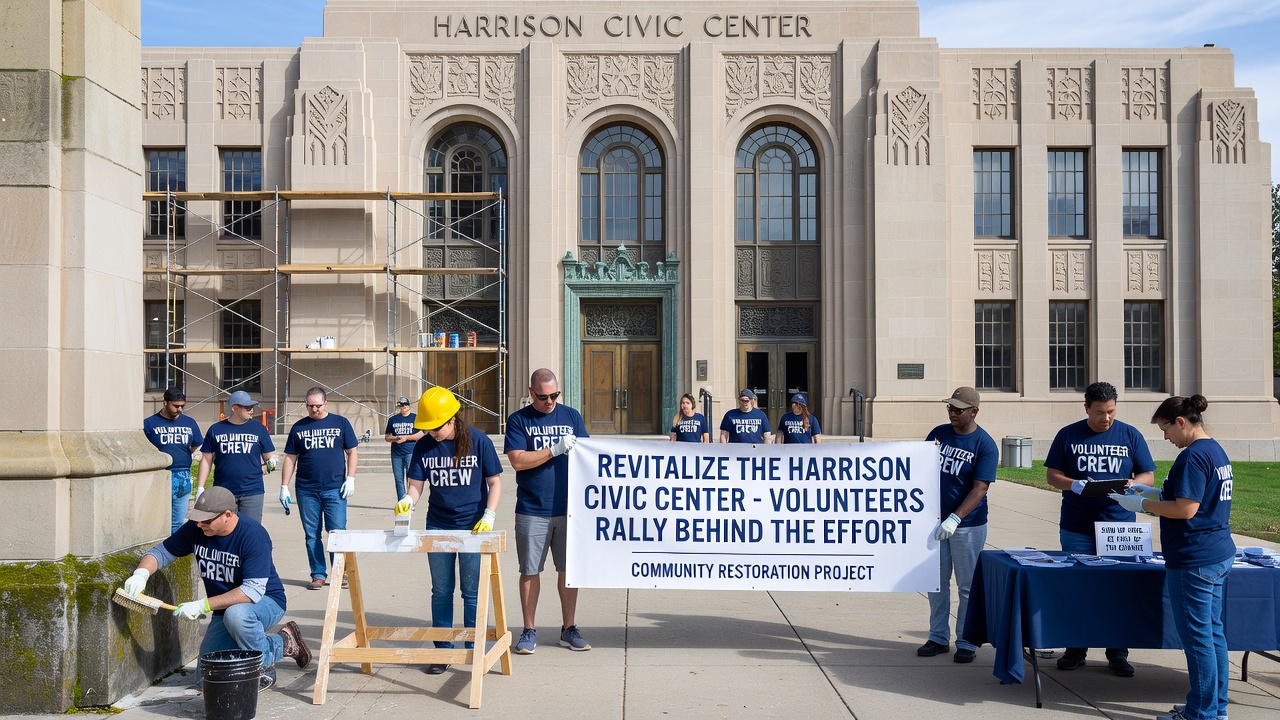
Coordinators divided participants into skill-based groups after an orientation session held at the adjacent community center, and each group received safety briefings along with access to necessary equipment supplied through local hardware donations. Participation numbers reached 180 individuals during the first weekend, a figure compiled from sign-in sheets maintained by the organizing committee.
Partnerships and Resource Coordination
Local businesses contributed scaffolding and lift equipment for the exterior phases, while a regional preservation society provided technical guidance on appropriate mortar mixes that match the original composition. According to guidance published by the U.S. National Park Service, such material compatibility reduces future maintenance cycles and helps retain the building's historic character. Another partner, Parks Canada, shared case studies on volunteer-led projects at comparable government buildings in eastern provinces, offering templates for scheduling and risk assessment that organizers adapted for the current timeline.
October 2026 activities include a public open house on the fifteenth of the month that will allow residents to observe progress and register for upcoming shifts, and advance registration has already exceeded the capacity limit set for that single day. Fundraising efforts running parallel to the physical work have collected initial pledges totaling more than forty thousand dollars, with proceeds earmarked for specialized contractors who will handle electrical upgrades required to meet modern codes.
Community Impact and Ongoing Schedule
School groups have joined weekend sessions to learn basic masonry techniques under supervision, an arrangement that aligns with curriculum goals in local history and trades education. Data collected by the volunteer database shows repeat participation from thirty-five percent of those who attended the first two events, indicating sustained interest through the colder months ahead. Project leads have stated that interior painting and floor refinishing will occupy teams through November, after which attention will turn to landscaping around the perimeter.
Weather contingencies prepared by the committee include indoor tasks that can proceed regardless of temperature drops, and supply caches positioned at two nearby locations reduce travel time for materials. Observers note that similar volunteer-driven initiatives at other municipal properties have shortened overall project durations by an average of four months when compared with fully contracted approaches, based on completion records maintained by municipal archives.
Conclusion
The revitalization effort continues to draw new participants each week, and updated progress reports appear on the organizing committee's public bulletin board every Friday afternoon. Remaining phases will focus on finishing details that preserve original features while incorporating necessary safety improvements, with final inspections scheduled before the close of 2026.